



Computers & Gauges
Free Shipping across Canada! All orders over $150
Orders Processed and Shipping Fast!
We are Canadian! Orders shipped from our Edmonton warehouse
High Quality Gear - Divemaster & Instructor tested and approved
Buy dive computers and gauges in Canada for scuba diving, freediving, and snorkeling — wrist computers, console computers, air-integrated systems, and analog gauge consoles from Scubapro, Cressi, and Shearwater. A dive computer is one of the most important pieces of safety equipment you will own — it tracks your depth profile in real time and calculates your no-decompression limits far more precisely than dive tables, letting you dive longer and more safely.
-
TOP SELLER


Gauge Keeper Clip
Saekodive
$15.99Don't let your gauges drag along the bottom, damaging delicate coral reef or stirring up a muddy bottom. Features: Attaches between your gauges and your BCD d-ring Quick release clips between 2...4059$15.99 -
TOP SELLER


Shearwater Peregrine Dive Computer
Shearwater
$745.00Simple to use, full colour, multi-gas dive computer with simplified operations for all levels of scuba divers. Main Features: Full colour 5.59cm LCD screen with vivid, enhanced colour range and...4314$745.00 -


Shearwater Swift Air Transmitter
Shearwater
$515.00The Shearwaer Swift air transmitter can be paired with the Shearwater Tern TX, Teric, Perdix AI, Perdix 2 and NERD II as well as many other air integrated computers on the market...4408$515.00 -
STAFF PICK


Shearwater Peregrine TX
Shearwater
$970.00The Shearwater Peregrine TX builds on the very popular Peregrine dive computer by making it air integrated with up to 4 transmitters (sold separately), digital compass, full colour, multi-gas dive...5030$970.00 -


Shearwater Peregrine Adventures Edition
Shearwater
$745.00Simple to use, full colour, multi-gas dive computer with simplified operations for all levels of scuba divers. With the Peregrine Adventures Edition, choose from a light or dark color. The light...4853$745.00 -
Out of stock


Compass - Retractor
Saekodive
$74.95Underwater compass for scuba diving diving. Features: Strong force, stainless steel line on a rebounding retractor, approximately 60 cm long Clips anywhere on dive gear making it easy to...1564$74.95 -
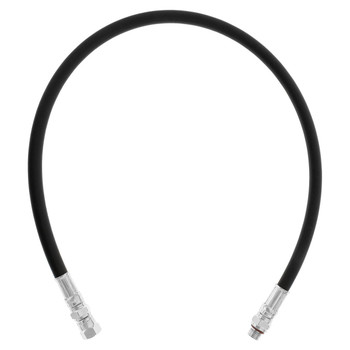

Gauges Hose - Standard
XS Scuba
$89.99Replacement hose for your high pressure scuba gauges. Standard 36" length. Contact us for other hose lengths.1592$89.99 -
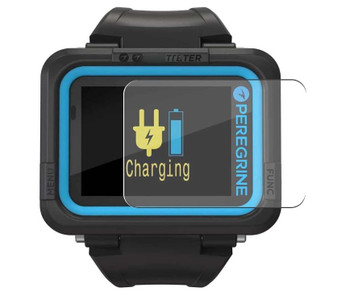
Shearwater Faceplate Screen Protector Kit - Peregrine and Peregrine TX
Shearwater
$19.99Protect your Shearwater Peregrine and Peregrine TX dive computer screen from scratches and dings. Easy to apply to the screen. Comes with cleaning cloth, cleaning wipes and 2 x PET screen...5012$19.99 -


Peregrine and Peregrine TX Strap Kit -Long size
Shearwater
$35.00Replacement Silicone long wrist strap for Shearwater Peregrine and Peregrine PTX. Fits over Dry-suits, thick wetsuits and gloves. Includes replacement pins. Total length usable when installed on...4453$35.00 -

Scubapro Combo Depth & Pressure Gauge U-Line Console - Slim
Scubapro
$385.99Highly reliable analog gauge with depth and pressure gauge. Features: Imperial measurements Spiral mechanism Precision depth gauge to 200ft Maximum depth indicator With swivel and high...2619$385.99 -
On SaleSTAFF PICK
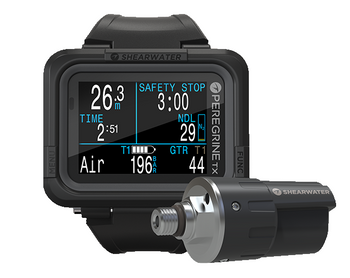
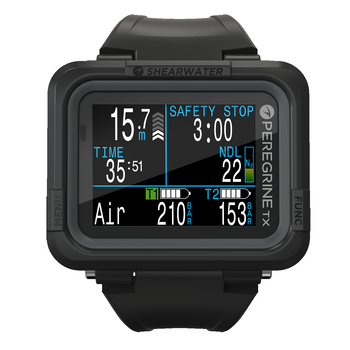
Shearwater Peregrine TX with Swift Transmitter
Shearwater
$1,435.00 - $1,495.00The Shearwater Peregrine TX builds on the very popular Peregrine dive computer by making it air integrated with up to 4 transmitters (includes one transmitter), digital compass, full colour,...BUND1078$1,435.00 - $1,495.00 -

Battery Charger - Sea Dragon Video Light 1200-3000
Sealife
$59.95Replacement charger with cable for the Sea Dragon light batteries.3922$59.95 -
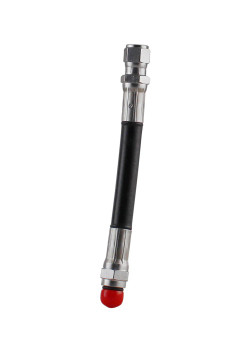

Gauges Hose - 6 Inch
XS Scuba
$69.99Replacement high pressure hose for your gauges. Short length is perfect for a pony bottle setup. Short 6 inches, black.1593$69.99 -

Shearwater Faceplate Screen Protector - Perdix/Petrel
Shearwater
$20.00Protect your Shearwater Perdix or Petrel dive computer screen from scratches and dings. Easy to apply to the screen. This item qualifies for free shipping with Canada Post letter mail. Shipping...5015$20.00 -

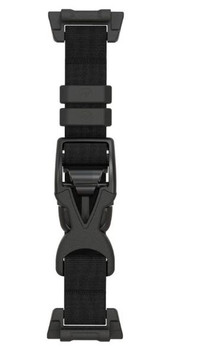
Shearwater Remora Webbing Strap - Fits Tern, Tern TX and Teric
Shearwater
$25.00Replacement band for the Shearwater Tern, TernTX and Teric dive computers. Features:Made with stretchy nylon webbing and extra long for fitting over thick wetsuits and drysuitsUses Shearwater's...4994$25.00 -
TECH DIVING


Shearwater Teric Dive Computer (without transmitter)
Shearwater
$1,500.00Choose from 3 Bezel Colors... Black, Blue, or Silver! Optional Colored Straps Available! Shearwater computers are not only made in Canada, they are made for serious recreational and technical scuba...3692$1,500.00 -

Peregrine Charger with Cord
Shearwater
$59.99Replacement charger and cable for the Shearwater Peregrine dive computer.4885$59.99 -


Scubapro Combo Depth & Pressure Gauge In-Line Console with FS-1.5 Compass
Scubapro
$499.99Highly reliable analog gauge with depth, pressure gauge, and compass. Features: Imperial measurements Spiral mechanism Precision depth gauge to 200ft Maximum depth indicator With swivel and...2618$499.99 -
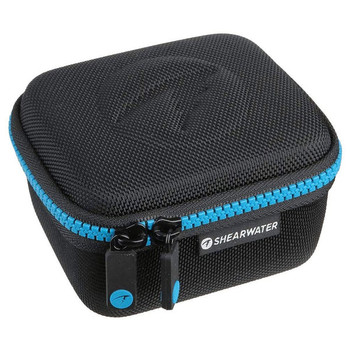

Shearwater Storage Case - Computer
Shearwater
$38.99Shearwater ballistic nylon storage case for the Teric, Perdix, or Petrel dive computer. Keeps your dive computer safe while in storage or transport.4892$38.99 -


Shearwater Tern TX
Shearwater
$1,025.00Shearwater computers are not only made in Canada, they are made for serious recreational and technical scuba divers enjoying cold and warm water scuba diving. The latest member of the Shearwater...4938$1,025.00 -
SMART WATCH


Garmin Descent MK3i 51mm Dive Computer
Garmin
$2,319.99The Descent MK3i dive computer and smartwatch is Garmin's latest addition to their diving products. The Descent MK3 boasts innovations for scuba diving as well as multisport training and smart...4931$2,319.99 -

Compass - Wrist
Saekodive
$74.95Underwater compass for scuba diving. Features: Strong, extra long rubber wrist band that fits comfortably over a wetsuit or drysuit Waterproof and pressure rated for scuba diving at any...1565$74.95 -


Cressi Digi2 Digital Depth & Pressure Gauge
Cressi
$349.95The Cressi Digi2 is perfect for divers who want a compact console with depth and pressure readings, in a very readable digital format. Features: Compact design with large, easy-to-read digits on...4833$349.95 -


Pressure Gauge - Brass & Glass
XS Scuba
$189.99Submersible Pressure Gauge (SPG) for scuba diving. 2" diameter Features: Nickel plated brass housing for extra strength and durability Includes airspool Luminescent gauge face Manufactured in...1571$189.99 -
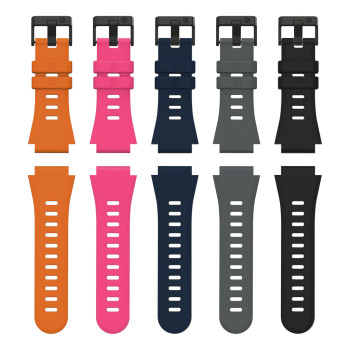

Shearwater Remora Replacement Strap - Fits Tern, Tern TX and Teric
Shearwater
$65.00Replacement strap for the Shearwater Tern, Tern TX and Teric dive computer. Features: Comes with Buckle band (75mm), short band (110mm) and long band (145mm) Fits 22mm watch pin Quickly change...5007$65.00 -
STAFF FAVORITE


Compass - Bungee Mount
Saekodive
$94.95Underwater compass for scuba diving, great for mounting on hand for easy reading while diving. Features: Made with stretchy shock cord to wear on left or right hand Adjustable to wear on...4774$94.95 -

Genesis Brass SPG Bar/PSI
Genesis
$109.95Pressure gauge for scuba diving. Perfect for streamlining gear, side-mount set-up, pony gauges or tech set-up. Features: Includes both imperial (psi) and metric (BAR) measurements Dimensions: 1...4182$109.95 -
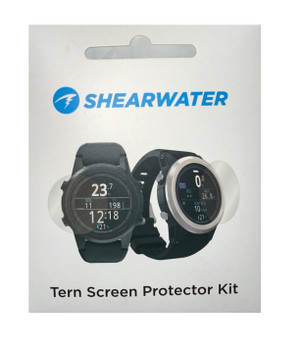
Shearwater Faceplate Screen Protector - Tern
Shearwater
$19.99Protect your Shearwater Tern dive computer screen from scratches and dings. Easy to apply to the screen. Comes with 2 screen protectors and cleaning cloth This item qualifies for FREE...5013$19.99 -


Shearwater Tern
Shearwater
$750.00Shearwater computers are not only made in Canada, they are made for serious recreational and technical scuba divers enjoying cold and warm water scuba diving. The latest member of the Shearwater...4937$750.00 -
Out of stock

High Pressure Air Spool
XS Scuba
$12.00Replacement air spool used as swivel between high pressure hose and pressure gauge (SPG). Also needed when adding a wireless air transmitter to a high pressure hose. This item qualifies for free...4595$12.00 -
Out of stock

Pressure Gauge - Brass & Glass - Dual PSI/BAR
XS Scuba
$144.99Submersible Pressure Gauge (SPG) for scuba diving with dual BAR and psi indicators. Features: Nickel plated brass housing for extra strength and durability Includes airspool with viton...4321$144.99 -
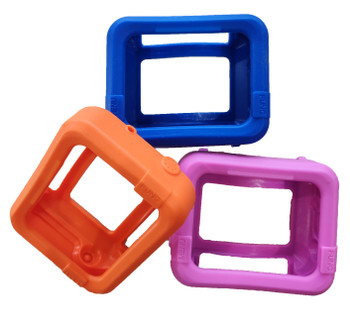

Silicone Cover for Peregrine
TDO
$35.00Protective silicone cover for the Shearwater Peregrine and Peregrine TX. Easily fits over the computer to protect it from scrapes and abrasions. Computer not included. This is not a Shearwater brand...5262$35.00 -
NEW
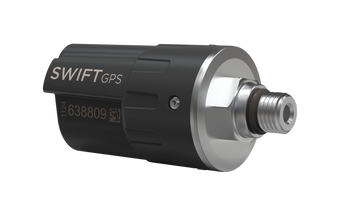

Shearwater Swift GPS Air Transmitter
Shearwater
$575.00The Shearwaer Swift GPS air transmitter provides GPS data for your dive site location. It can be paired with the Shearwater Tern TX, Teric, Perdix AI, Perdix 2 and NERD II as well as many other air...5347$575.00 -


Peregrine Replacement Strap - Standard size
Shearwater
$35.00Replacement short strap for the Shearwater Peregrine and Peregrine TX dive computers. The short strap is perfect for divers who only need to fit around their wrist or a thin wetsuit. Total usable...5077$35.00 -

Genesis Dual Scales Bar/PSI Console
Genesis
$348.99Pressure gauge for scuba diving. Features: Includes both imperial (psi) and metric (BAR) pressure measurements Includes both imperial (feet) and metric (meter) depth measurements Dimensions: 1...4280$348.99 -


Garmin Descent T2 Transmitter
Garmin
$729.99Compatible with the Garmin Descent MK3i dive computers. Track your tank pressure through your wrist computer. Features: Enhanced SubWave sonar technology Monitor up to 8 tanks underwater,...4932$729.99 -
SMART WATCH

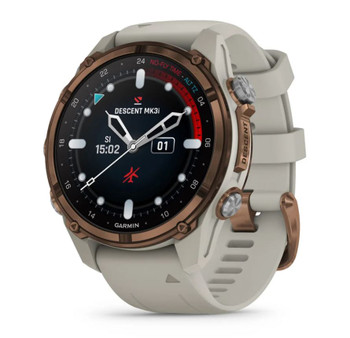
Garmin Descent MK3i 43mm Dive Computer
Garmin
$2,029.99The Descent MK3i dive computer and smartwatch is Garmin's latest addition to their diving products. The Descent MK3 boasts innovations for scuba diving as well as multisport training and smart...4930$2,029.99 -

Teric Charger with Cord
Shearwater
$69.99Replacement charger and cable for the Shearwater Teric dive computer.4886$69.99 -

Peregrine Replacement Strap Pin Set
Shearwater
$10.99Replacement strap pin for the Shearwater Peregrine dive computer. Comes as a pair4889$10.99 -


Peregrine Long strap Extender
Shearwater
$20.00Fits the Shearwater Peregrine and Peregrine TX. Replaces the non-buckle side of the strap with 21cm (8 1/2") band. Does not include the watch pin or buckle side of the band5171$20.00 -
On Sale


Nato Replacement Watch Strap
Deepblu
$9.49$32.00Replacement nylon, wrist strap with steel buckles and fastener. Fits nicely over a wetsuit or even a drysuit. Fits on the DeeBlu Cosmiq wrist dive computer. Length: 40 cmWidth: 24 mmThickness: 2.0...4292$9.49$32.00 -
On Sale


Screen Shield - 45mm x 40mm
Deepblu
$6.49$9.95Replacement screen shield for dive computer or action cameras to protect from scratches and other damage. Dimensions: 45mm x 40mm (2-pack) Fits Deepblu Cosmiq This item qualifies for free shipping...3374$6.49$9.95 -
Out of stock


Garmin Descent G2 Dive Computer
Garmin
$999.00The Garmin G2 dive computer offers the diver unparalleled dive options and features along with an activity tracker for all your surface activities, 24/7 health monitoring, and smart notifications...5175$999.00 -

HP Air Spool for SPG
Genesis
$10.00High pressure air spool for attaching submersible pressure gauges to a high pressure hose.5051$10.00 -

Remora Strap Extra Long - Tail Only
Shearwater
$35.00Replacement strap (tail only) for the Shearwater Teric, Tern and Tern TX dive computers. Features: Fits over a thick wetsuit or drysuit Remora quick release system allows you to quickly and easily...5256$35.00 -

Shearwater Faceplate Screen Protector - Teric
Shearwater
$19.99Protect your Shearwater Teric dive computer screen from scratches and dings. Easy to apply to the screen. Comes with 2 screen protectors and cleaning cloth This item qualifies for FREE...5014$19.99 -

Battery Charger - 18650 Batteries
Big Blue Lights
$44.99This battery charger is designed to charge 18650 batteries used in the Big Blue 900, 1000, 1100, 1200 and 1300 series lights. The charger has an LED indicator giving a red light when charging and a...4405$44.99 -


Perdix/Petrel Strap Kit
Shearwater
$34.99Replacement straps for the Shearwater Perdix or Petrel dive computers. Comes as a pair of straps.4891$34.99 -
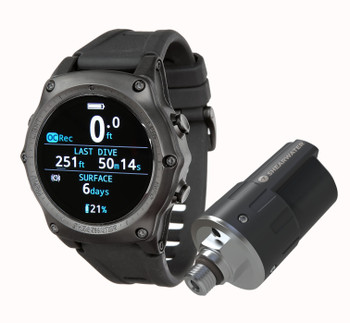
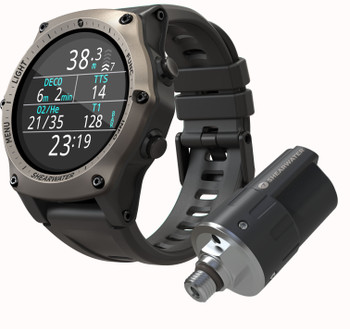
Shearwater Teric Dive Computer (with transmitter)
Shearwater
$1,965.00Choose from 3 Bezel Colors... Black, Blue, or Silver! Optional Colored Straps Available! Shearwater computers are not only made in Canada, they are made for serious recreational and technical...XBUND1022$1,965.00 -
LIMITED EDITION
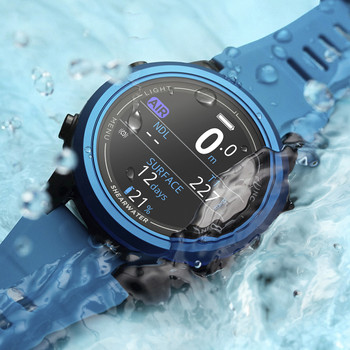

Shearwater Tern TX Limited Edition
Shearwater
$1,025.00New Limited edition colours! Shearwater computers are not only made in Canada, they are made for serious recreational and technical scuba divers enjoying cold and warm water scuba diving. The latest...5435$1,025.00 -
On Sale


Advanced Night & Nav Diver Gear Pack
Saekodive
$430.89$478.77Great package of essential items for scuba divers who are going to complete their advanced navigation or night diving course. Or for scuba divers who have already completed these certifications and...BUND1049$430.89$478.77 -
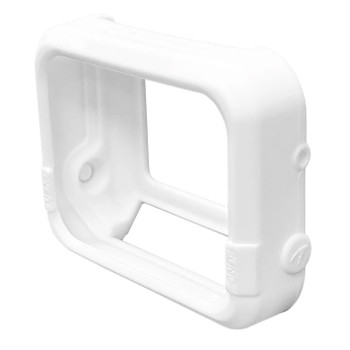

Shearwater Silicone Cover for Peregrine
Shearwater
$50.00Shearwater brand protective silicone cover for the Shearwater Peregrine and Peregrine TX. Easily fits over the computer to protect it from scrapes and abrasions. Computer not included.5260$50.00 -

Tern & Tern TX Charger Pad & Cable
Shearwater
$40.00Replacement battery charging pad for the Shearwater Tern and Tern TX. Includes USB cable.5096$40.00 -


XS Scuba Navigator 3-Gauge Console
XS Scuba
$409.99Easy to read gauge console includes depth gauge, pressure gauge, and underwater compass. Includes high pressure rubber hose with swivel. Front Side Submersible pressure gauge made with highly...1570$409.99 -
On Sale


Shearwater Tern TX & Swift Transmitter
Shearwater
$1,490.00 - $1,550.00Shearwater computers are not only made in Canada, they are made for serious recreational and technical scuba divers enjoying cold and warm water scuba diving. The latest member of the Shearwater...BUND1077$1,490.00 - $1,550.00 -
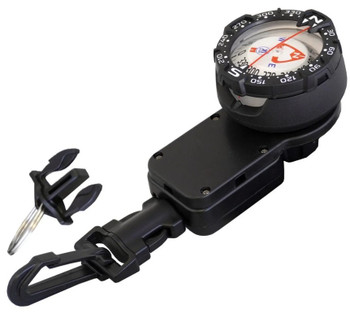
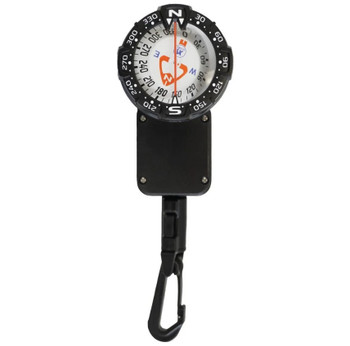
Compass - Quik Vu Retractor
XS Scuba
$179.99Easy to read underwater compass for scuba diving. Features: Strong force on a rebounding retractor, approximately 32 inches long Attaches with either plastic snap hook or split ring Waterproof and...5434$179.99 -

Cressi Digi Battery Cover and O-ring
Cressi
$12.99Replacement battery door cover and o-ring for the Cressi Digi and Digi 2 console. This item qualifies for free shipping with Canada Post letter mail. Shipping charges may apply when combined with...5304$12.99 -

Genesis Dual Metric & Imperial Console with Compass
Genesis
$435.99Highly reliable analog gauge with depth, pressure gauge, and compass in both imperial and metric. Features: Imperial and metric depth measurements (feet & metres) Imperial and metric pressure...4385$435.99 -
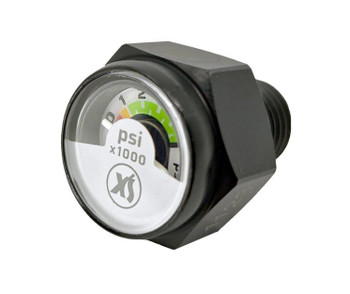
Pony Bottle Gauge
XS Scuba
$119.99Ultra compact, submersible pressure gauge for use with backup air supplies and scuba pony bottle. Features: Working pressure up to 4500 PSI or 310 Bar Threads directly into any standard first...1567$119.99 -
TECH DIVING

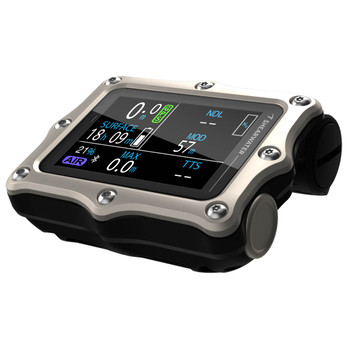
Shearwater Perdix 3 Dive Computer
Shearwater
$1,650.00Rugged computer with excellent features for both recreational, technical, and closed circuit scuba diving. With new larger screen and easier to navigate menu compared to the previous models. The...5424$1,650.00 -
On SaleTECH DIVING
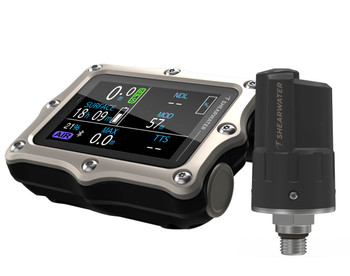

Shearwater Perdix 3 Dive Computer w/ Swift Transmitter
Shearwater
$2,115.00 - $2,175.00Rugged computer with excellent features for both recreational, technical, and closed circuit scuba diving. With new larger screen and easier to navigate menu compared to the previous models. The...BUND1083$2,115.00 - $2,175.00 -

Shearwater Storage Case - Transmitter
Shearwater
$28.99Shearwater ballistic nylon storage case for the air-integrated transmitter. Fits the Shearwater Swift and other brands of transmitters.4893$28.99 -

Teric Strap Pin
Shearwater
$24.99Replacement strap pin for the Shearwater Teric dive computer. This item qualifies for FREE SHIPPING*! (*Shipped letter mail with Canada Post. Regular shipping policies apply when combined with other...4890$24.99 -

Battery Charger - 18650/21700/26650/32650 Batteries
Big Blue Lights
$49.99This battery charger is designed to recharge a variety of battery sizes including 18650, 21700, 26650, 32650. Specifically for batteries used in several Big Blue lights.5441$49.99 -
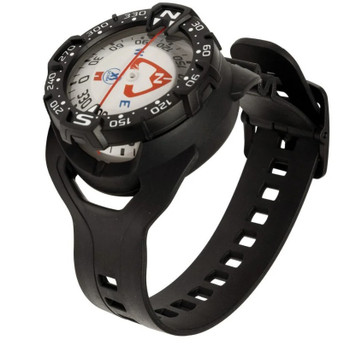

Compass - Quik Vu Wrist
XS Scuba
$129.99The glove-friendly wrist mounted underwater compass with large view. Features: Large sight style viewing window allows for easy and accurate navigation Strap can expand up to a 26 cm/10 inch wrist...5433$129.99 -
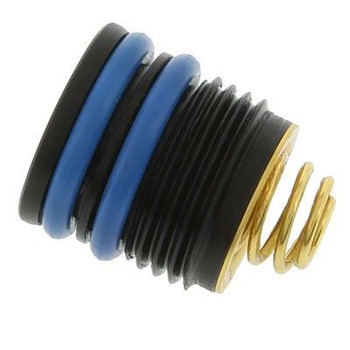
Perdix Battery Cap
Shearwater
$79.99Replacement battery compartment cap for the Shearwater Perdix dive computer.4888$79.99 -

Pressure Gauge - Brass & Glass 2 inch SPG
Scuba Force
$139.00Reliable and accurate pressure gauge. Features: Easy-to-read white background Double-welded Bourdon-Beryllium tube Fits with rubber or flexible high pressure hoses (not included) Diameter:...4867$139.00 -


QuikVu 2 Gauge Console
XS Scuba
$369.99Slim-profile console for your scuba regulators includes a depth gauge and a pressure gauge. Features: Attachment points on both sides to clip the console to your gear Includes a 21 inch thin,...5089$369.99 -


QuikVu 2 Gauge Console - METRIC
XS Scuba
$329.99Slim-profile console for your scuba regulators includes a depth gauge and a pressure gauge. Features: Attachment points on both sides to clip the console to your gear Includes a 21 inch thin,...5181$329.99 -
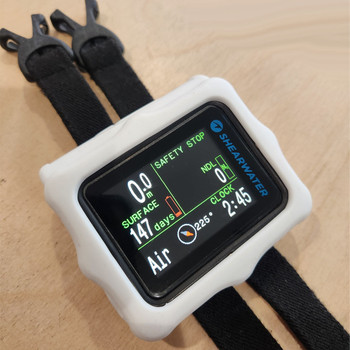

Silicone Cover for Perdix
TDO
$35.00Silicone protector for the Shearwater Perdix, Perdix AI, Perdix 2 and Perdix 3 dive computers.5395$35.00
Dive computers vs. gauges — what's the difference?
|
Why a dive computer is worth it Wrist computer vs. console computer |
When a gauge console is still the right choice Air integration — tank pressure on your wrist |
Frequently asked questions
Do I need a dive computer or can I use dive tables?
Dive tables are taught in open water certification as the foundational concept behind decompression theory, and they work — but they are deliberately conservative because they assume you spend your entire dive at maximum depth. A dive computer tracks your actual depth profile and gives you more bottom time by accounting for the shallower portions of the dive. For anyone diving regularly, a computer is safer, more informative, and more practical than tables. Most recreational dive agencies now recommend or require a computer for guided and independent diving.
Is a dive computer the same as a pressure gauge?
No — a pressure gauge shows how much air remains in your tank. A dive computer tracks depth and time to calculate decompression status and no-decompression limits. These are two different pieces of information. An air-integrated dive computer combines both functions — it receives tank pressure wirelessly from a transmitter on your regulator and displays remaining gas alongside depth and decompression data. Without air integration, you need both a dive computer and a separate pressure gauge.
Can I share a dive computer with my dive buddy?
No — a dive computer tracks your individual depth and time profile throughout the dive and uses that history to calculate safe ascent for you specifically. Your buddy's dive profile may be different from yours even on the same dive, and the computer's no-decompression calculations are cumulative across multiple dives. Sharing a computer means one diver has no decompression information at all for part of the dive, which is a safety risk. Every diver should have their own computer.
What should I do with my dive computer between dive seasons?
Store the computer with a fresh or partially charged battery — never store it with a completely dead battery as this can damage rechargeable cells or allow battery compartment corrosion to develop. Rinse and dry thoroughly before storing. Inspect the battery compartment o-ring annually and replace it if it shows any cracking, deformation, or age. Keep the computer in a protective case or pouch away from direct sunlight. Before your first dive of the new season, test all functions in a bucket of water at the surface before entering open water.