


Weights & Belts
Free Shipping across Canada! All orders over $150
Orders Processed and Shipping Fast!
We are Canadian! Orders shipped from our Edmonton warehouse
High Quality Gear - Divemaster & Instructor tested and approved
Lead weight, harnesses, and weight belts for scuba diving and snorkeling. Choose from basic style webbing belt or the deluxe pocketed belts. Our products are hand-picked by our highly qualified staff which includes Instructors and Divemasters that snorkel and dive locally in Canada and around the world.
-


Lead Dive Weight
TDO
$10.00 - $50.00Lead weight for use with scuba diving weight belt or with integrated BCD weight pockets. Available in double-pass brick sizes: 1 lbs, 2 lbs, 3 lbs, 4 lbs, and 5 lbs. Price is $10 per pound. The...4873$10.00 - $50.00 -
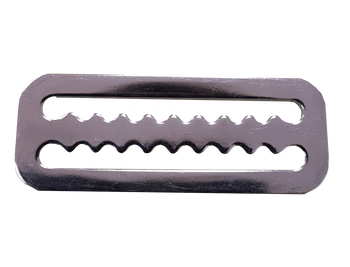
Weight Keeper Stainless Steel
XS Scuba
$5.95Stainless steel weight keepers with teeth for scuba diving weight belt to keep weights in place. Fits 2 inch webbing. This item qualifies for free shipping with Canada Post letter mail. Shipping...2008$5.95 -

Weight Keeper Stainless Steel - No Teeth
XS Scuba
$5.95Slides onto standard 2 inch webbing to secure d-rings or other accessory items. This item qualifies for free shipping with Canada Post letter mail. Shipping charges may apply when combined with other...2006$5.95 -
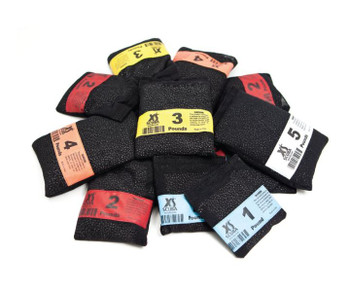

Lead Dive Weight - Soft Shot
TDO
$16.00 - $60.00When you want something softer in your BCD weight-integrated pockets, the lead shot soft weights are ideal. Lead shot size is #5 Comes in 1 pound, 2 pound, 3 pound, 4 pound, and 5...4961$16.00 - $60.00 -


Single Weight Pouch
XS Scuba
$22.00Add extra weight to your scuba BCD. Features: Holds up to 5Ibs soft of hard weight Slides over tank cam straps or harness waist straps Allows optimum positioning for trim in water4063$22.00 -
On Sale
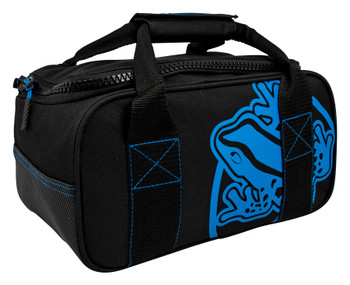
Akona Yukon Weight Bag
Akona
$55.89$65.95Individual weights are heavy and awkward to carry. I used to make two separate trips from my vehicle to the dock at the lake JUST to carry my weights. And then what to do with the individual spare...1139$55.89$65.95 -


Ankle Weights - Pair
XS Scuba
$70.00 - $80.00Features: Adjustable ankle weights with nylon strap and buckle Filled with round shot, covered with Rynohyde neoprene for extra durability Sold in pairs - 1 pound per leg, 1.5 pounds per leg, or 2...5221$70.00 - $80.00 -
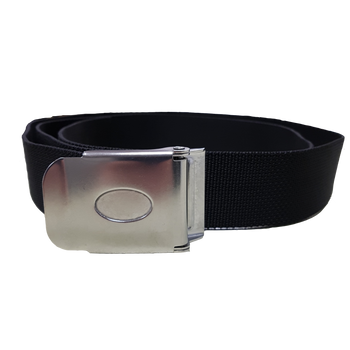

Standard Weight Belt with Stainless Steel Buckle
Aropec
$28.95Standard nylon webbing weight belt with stainless steel buckle for scuba diving.2005$28.95 -
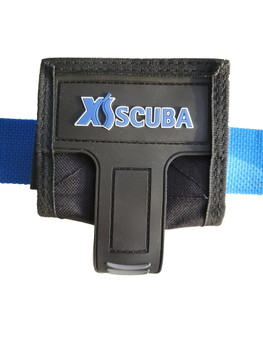

Single Weight Pouch Quick Release
XS Scuba
$27.95Add extra weight to your scuba BCD Features: Holds up to 5Ibs soft or hard weight Slides over tank cam straps or harness waist straps Allows optimum positioning for trimming out in the...2012$27.95 -
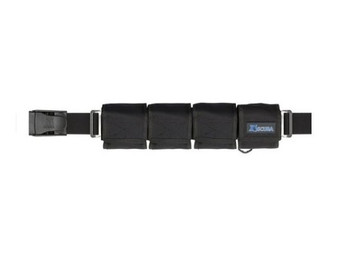

Weight Belt - soft 4-pocket
XS Scuba
$89.99This soft pocket weight belt for scuba diving is more comfortable than a traditional webbing belt as the weights are held in external pockets, away from the body and hips. Each pocket holds up to...2001$89.99 -


Billy Ring / Weight Keeper with D-Ring Stainless Steel
XS Scuba
$16.99Stainless steel weight keeper with attached d-ring. Features: Attached d-ring is a convenient attachment point for clips and accessories Weight keeper can be used on a weight belt or on BCD...4657$16.99 -
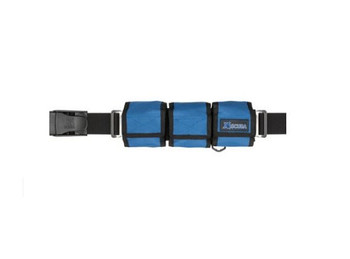
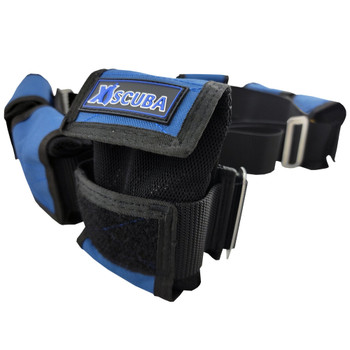
Weight Belt - soft 6-pocket
XS Scuba
$99.99This soft pocket weight belt for scuba diving is more comfortable than a traditional webbing belt as the weights are held in external pockets, away from the body and hips. Each pocket holds up to...2002$99.99 -


Belt Buckle - stainless steel
Aropec
$19.95Stainless steel deluxe belt buckle is preferred over the delrin buckle when using more than 10Ibs of weight on a belt. This durable buckle is constructed of thicker stainless steel than other models...1992$19.95 -
TOP SELLER


DUI Weight Harness Version 3.0 - Large Pockets
DUI
$233.00Most comfortable, releasable weight harness for scuba divers. Transfer your weights from your waist and hips to your shoulders for a more comfortable diving experience. Sits comfortably on sides of...4272$233.00 -
STAFF FAVOURITE

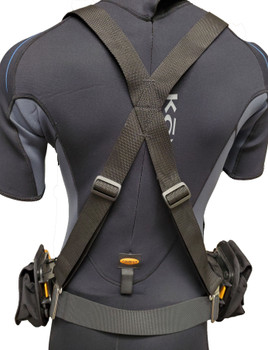
DUI Weightbelt Harness Version 3.0 - Small Pockets
DUI
$220.00Most comfortable, releasable weight harness for scuba divers. Transfer your weights from your waist and hips to your shoulders for a more comfortable diving experience. Sits comfortably on sides of...4095$220.00 -
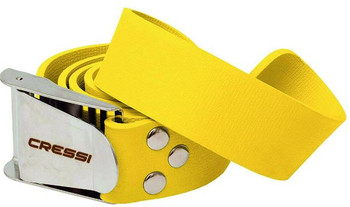

Rubber Freediving Weight Belt - Quick Release
Cressi
$69.99Rubber weight belt with stainless steel buck for freediving. Features: Made with stretchy rubber the belt can adjust to to small changes as depth changes The rubber material sticks well...5011$69.99 -


Rubber Freediving Weight Belt - Marseillaise
Cressi
$69.99Rubber weight belt for freediving with Marseillaise stainless steel buckle. Features: Stainless steel buckle has a tilting check pin for secure hold Made with stretchy rubber the belt adjusts to...5010$69.99 -

Scuba Force WP500 Horizontal Weight Pocket System (pair)
Scuba Force
$199.00Add integrated weight pockets to any 2 inch webbing harness. Features: Sold as a pair of pockets Includes outer pocket to attach to webbing and inner weight pocket to hold the weight Each pocket...4810$199.00 -


Weight Pocket - Velcro Quick Attach
TDO
$24.99Quickly add weight pocket to your BCD to adjust your trim. Features: Attaches to any 2 inch webbing such as tank bands and waist bands Easily attaches by without having to tank apart the...5405$24.99 -


Highland Bottom-Drop Weight Pocket (pair)
Highland
$189.99Add quick release weight pockets to your harness style scuba BCD's. Features: Fits most wing and backplate or any 2 inch webbing Each pocket holds up to 15lb/7kg of weight Grey plastic handle...5090$189.99 -

Scuba Force WP500 Vertical Weight Pocket System (pair)
Scuba Force
$199.00Verticus system is designed for slim waisted divers to add integrated weight pockets to any 2 inch webbing harness but do not have the space for a long pocket. Features: Sold as a pair of...4811$199.00
What to look for in a weight system
|
Weight belt vs. integrated BCD pockets vs. weight harness Hard weights vs. soft shot weights |
Rubber weight belts for freediving Trim weight pockets |
Frequently asked questions
How much weight do I need for scuba diving?
The right amount of weight varies considerably based on your body composition, wetsuit thickness, tank material, and whether you are diving in fresh or salt water. Salt water is denser than fresh water, so you need slightly more weight in the ocean. A 7mm wetsuit requires significantly more lead than a 3mm suit. A neoprene drysuit adds more buoyancy than a trilaminate. A steel tank offsets some weight compared to an aluminum tank. The standard starting point is to weight yourself so that at the surface with a full tank, you float at eye level and can descend with a gentle exhale. Your Instructor will help you determine your correct weight during your open water course — keep a record of it for future dives in similar conditions.
What is the difference between a standard webbing weight belt and a soft pocket belt?
A standard webbing belt threads hard lead blocks directly onto 2-inch nylon webbing — the weights contact your hips and lower back directly. This is the most common and lowest-cost option, but carrying more than 10 to 12 pounds this way can become uncomfortable over a long dive. A heavy weight belt can slide off your waist and down your legs, especially problematic for males that don't have hips to keep their belt at their waist. A soft pocket belt holds weights inside external pockets that sit away from the body, cushioning the contact points significantly. The 4-pocket belt holds up to 20 pounds total; the 6-pocket holds up to 30 pounds. For drysuit divers or anyone carrying significant weight, a pocket belt or dedicated weight harness is worth the investment in comfort.
What is the DUI Weight Harness and who is it for?
The DUI Weight Harness is a shoulder-mounted weight system that transfers all lead weight from the hips to the shoulders, eliminating the pressure of a traditional weight belt on the lower back and hip bones entirely. It sits comfortably on the sides of the hips rather than on the hip bone itself, and the quick-release handles on each pocket allow the weight to be dropped in an emergency just as a belt would be. It is particularly popular with drysuit divers who carry 20 to 40 pounds of lead — carrying this amount on a waist belt for repeated dives is genuinely uncomfortable. Our Divemasters rate it as a staff favourite and use it personally. Available with small pockets (better trim) and large pockets (higher capacity).
Can I add weight pockets to a wing and backplate BCD that did not come with them?
Yes — wing and backplate systems do not include integrated weight pockets by default. We carry a variety of weight pockets that can be fed through 2 inch webbing on your tank band or waist band. Choose based on how much weight you need to carry and the configuration of your BCD.
Do I need weight keepers on my weight belt?
Yes — weight keepers are essential if you use a webbing weight belt with hard lead blocks. Without keepers, the weights slide along the belt during the dive and bunch up on one side, throwing off your trim. Weight keepers with teeth grip the nylon webbing and hold each weight block in position. The no-teeth version is used to secure D-rings and accessories on harness webbing rather than to hold weights. For any belt carrying more than a single weight on each side, use toothed weight keepers between each lead block. The stainless steel buckle is preferred over plastic when carrying more than 10 pounds — plastic buckles can deform under sustained load from heavier weight configurations.