


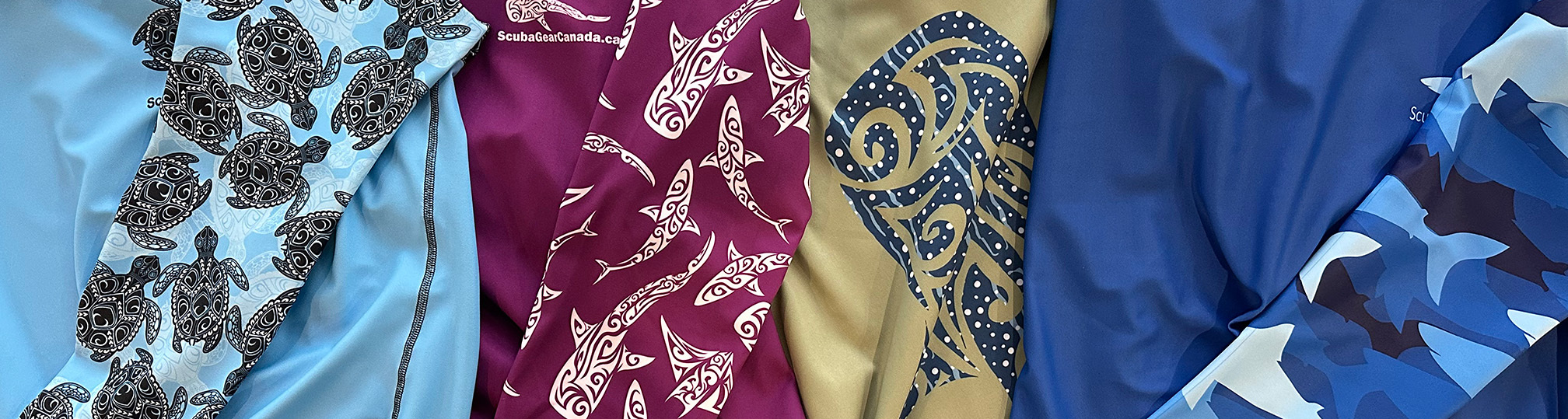
Rashguards
Free Shipping across Canada! All orders over $150
Orders Processed and Shipping Fast!
We are Canadian! Orders shipped from our Edmonton warehouse
High Quality Gear - Divemaster & Instructor tested and approved
Buy UPF 50+ rashguards and UV shirts for snorkeling and scuba diving in Canada — long-sleeve and short-sleeve styles for men, women, and kids. A rashguard worn in the water provides more reliable UV protection than sunscreen, never washes off, and doubles as a base layer under a wetsuit to prevent chafing. All styles in our range are rated UPF 50+ and are suitable for snorkeling, scuba diving, surfing, paddling, and beach use.
-
STAFF FAVORITE


Scap
Scap
$44.99Add a layer of thermal protection to your head while scuba diving, snorkeling, or just hanging out at the beach. Protects your head from sunburn, even if you have hair it will help prevent burning...1110$44.99 -
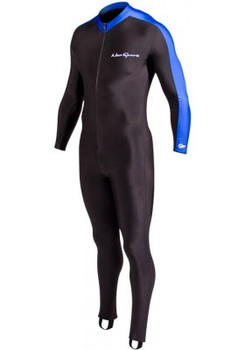
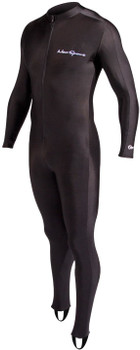
Neosport Unisex Sport Lycra Skin Hotskin
Neosport
$149.00 - $159.99SALE! Size X-Small and Small save $40 (while supplies last) The sport skin is a full body watersport perfect if worn alone for protection from the environment, like coral and jellyfish, as well as...4058$149.00 - $159.99 -
UPF 50+
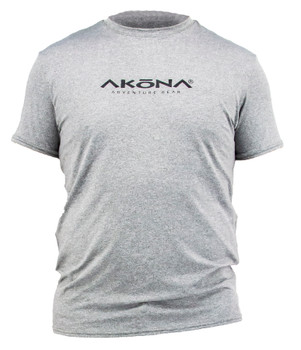

Akona Rashguard Sun Shirt - Short Sleeve - Men's
Akona
$64.99Sun protection is more than just slathering on sunscreen. Protect yourself from sun and UV rays with the Akona rashguard sun shirt with an SPF rating of 50+. Features: Stretchy &...4206$64.99 -
UPF 50+


Rashguard - Teal Turtles - Long Sleeve Ladies
TDO
$99.00For those that love turtles and want to protect their skin from sunburn. Great for wearing under a wetsuit to prevent chafing and for easy donning and doffing. Alternative for sun protection when on...4955$99.00 -
UPF 50+

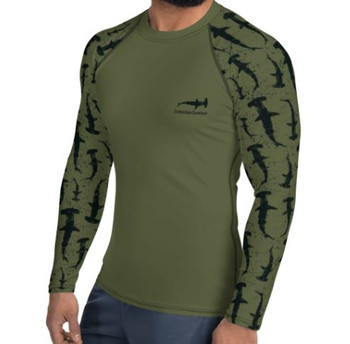
Rashguard - Hammerhead Sleeve - Men's
TDO
$99.00The Hammerhead Sleeve rashguard will protect your skin from sunburn and stings. Great for wearing under a wetsuit to prevent chafing and for easy donning and doffing. Alternative for sun protection...4998$99.00 -
UPF 50+


Rashguard - Blue Shark/Ray Sleeve - Long Sleeve - Men's
TDO
$99.00The blue Sharks/Ray Sleeve rashguard will protect your skin from sunburn and stings. Great for wearing under a wetsuit to prevent chafing and for easy donning and doffing. Alternative for sun...5273$99.00 -
UPF 50+


Rashguard - Blue Camo Shark - Long Sleeve - Men's
TDO
$99.00The Blue Camo Shark rashguard will protect your skin from sunburn and stings. Great for wearing under a wetsuit to prevent chafing and for easy donning and doffing. Alternative for sun protection...5100$99.00 -
UPF 50+
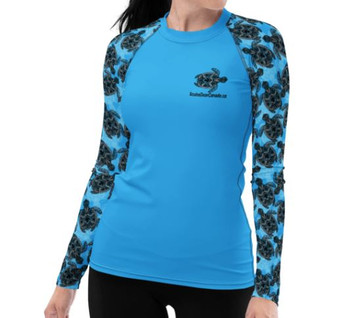
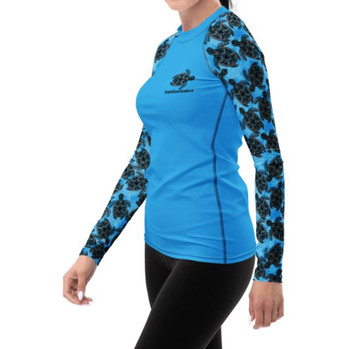
Rashguard - Turtle Sleeve - Ladies
TDO
$99.00The Turtles Sleeve rashguard will protect your skin from sunburn and stings. Great for wearing under a wetsuit to prevent chafing and for easy donning and doffing. Alternative for sun protection when...4999$99.00 -
UPF 50+
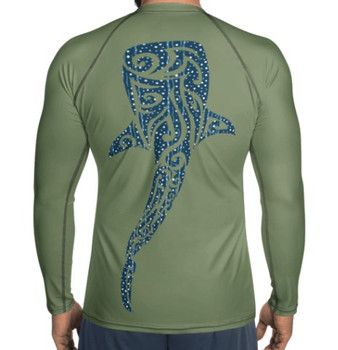

Rashguard - Whale Shark - Long Sleeve - Men's
TDO
$99.00The men's whale shark rashguard will protect your skin from sunburn and stings. Great for wearing under a wetsuit to prevent chafing and for easy donning and doffing. Alternative for sun protection...5274$99.00 -


Neck Gaiter
TDO
$29.99Use a neck gaiter protect your neck, face, head from UV rays and wind while enjoy the sun during snorkeling, scuba diving, kayaking, paddle boarding, and other watersports activities. Features: UPF...5392$29.99 -
On Sale

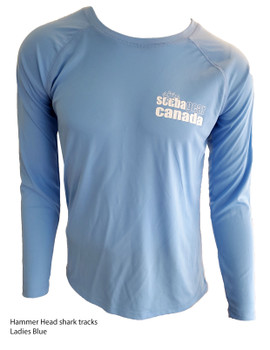
Rashguard - Blue Hammerhead - Long Sleeve Ladies
Prawno
$59.49$99.00SAVE $10 WHEN YOU BUY 2+ PRAWNO BRAND UV SHIRTS & RASHGUARDS! Show off your love for Hammerhead Sharks with the Hammer tracks rashguard and UV shirt. Great for wearing under a wetsuit to prevent...4528$59.49$99.00 -
On Sale

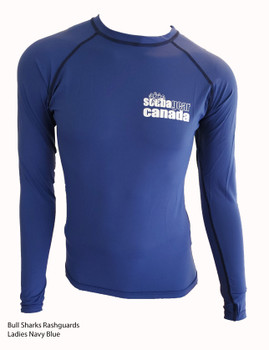
Rashguard - Navy Bull Shark - Long Sleeve Ladies
Prawno
$59.49$99.00SAVE $10 WHEN YOU BUY 2+ PRAWNO BRAND UV SHIRTS & RASHGUARDS! Stay cool and keep the sun off your skin with the Bull Shark rashguard. Great for wearing under a wetsuit to prevent chafing and for...4531$59.49$99.00 -
On Sale
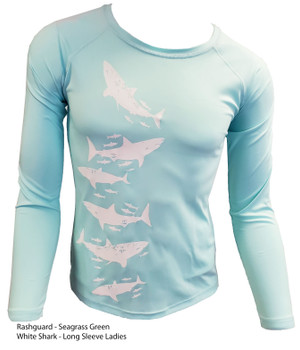

Rashguard - Seagrass Green White Shark - Long Sleeve Ladies
Prawno
$59.49$99.99SAVE $10 WHEN YOU BUY 2+ PRAWNO BRAND UV SHIRTS & RASHGUARDS! Show your support for sharks and protect your skin from sunburn. Great for wearing under a wetsuit to prevent chafing and for easy...4529$59.49$99.99 -
UPF 50+
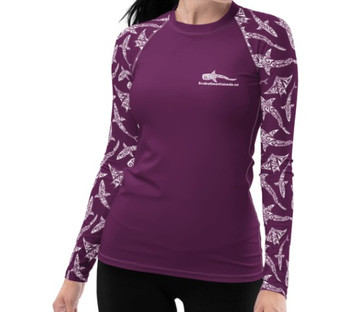

RashGuard - Purple Shark/Ray Sleeve - Long Sleeve - Ladies
TDO
$99.00The purple Sharks/Ray Sleeve rashguard will protect your skin from sunburn and stings. Great for wearing under a wetsuit to prevent chafing and for easy donning and doffing. Alternative for sun...5272$99.00
What to look for in a rashguard or UV shirt
|
UPF 50+ — what it means and why it matters Long-sleeve vs. short-sleeve |
Fit — snug for in-water use Under a wetsuit — chafing prevention and comfort |
Frequently asked questions
Is a rashguard better than sunscreen for snorkeling?
For areas it covers, yes — a UPF 50+ rashguard is more reliable than sunscreen in the water. Sunscreen washes off, degrades with sun exposure, and requires reapplication every 60 to 90 minutes in water. A rashguard provides consistent UPF 50+ protection for the entire time you are wearing it, with no reapplication. The practical approach is to use both: a long-sleeve rashguard for the torso, arms, and hands, and reef-safe mineral sunscreen for any exposed skin such as the face, neck, and legs. See our reef-safe sunscreen for options that won't harm the reef.
Can I wear a rashguard in cold water?
A rashguard on its own provides negligible thermal protection — it is not a substitute for a wetsuit in cold water. In cool but not cold conditions, such as mild tropical water, a long-sleeve rashguard may add a small amount of comfort at the surface. For Canadian waters or any diving where thermal protection is required, a wetsuit is necessary. A rashguard worn under a wetsuit is popular for the chafing prevention and easy donning/doffing benefits, not for extra warmth.
How do I care for my rashguard?
Rinse your rashguard thoroughly with fresh water after every use in salt water or a chlorinated pool. Salt and chlorine degrade the elastane fibres that give the fabric its stretch over time. Hand wash or machine wash on a gentle cycle with mild detergent — avoid fabric softener, which breaks down the fibres faster. Do not wring the fabric out; instead press out excess water gently. Air dry in the shade — prolonged direct sunlight fades the fabric and degrades the UPF rating over time. Do not tumble dry.
Is a rashguard the same as a UV shirt?
Yes — rashguards and UV shirts are essentially the same thing, they both provide excellent protection from sun exposure. Rashguards and UV shirts are popular for all kids of activities including surfing, kayaking, SUP, stand up paddleboard, and everyday wear on the surface.