



Sun Protection
Free Shipping across Canada! All orders over $150
Orders Processed and Shipping Fast!
We are Canadian! Orders shipped from our Edmonton warehouse
High Quality Gear - Divemaster & Instructor tested and approved
Buy reef-safe sunscreen and UPF 50+ UV shirts for snorkeling and scuba diving in Canada. UV radiation reflects off water and sand, significantly increasing your exposure — you can burn badly even on a cloudy day. All sunscreen products we carry are free from oxybenzone and other chemicals harmful to coral reefs and marine life. UV shirts and rashguards offer the most reliable sun protection available, blocking over 98% of UV radiation without washing off in the water. Available for adults and kids.
-
STAFF FAVORITE


Scap
Scap
$44.99Add a layer of thermal protection to your head while scuba diving, snorkeling, or just hanging out at the beach. Protects your head from sunburn, even if you have hair it will help prevent burning...1110$44.99 -
TOP SELLER

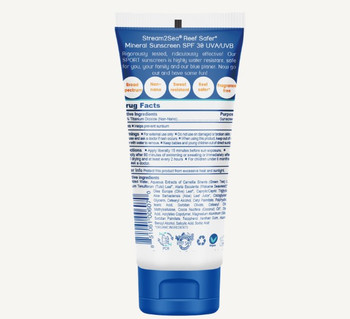
Stream2Sea 3oz SPF 30 Oxybenzone-Free Sunscreen
Stream2Sea
$29.99Mineral-based sunscreen is free from Oxybenzone and other ingredients that are being banned for use at many vacation destinations. Protects your body from sun exposure while preserving the ecosystem...3771$29.99 -
HOT SELLER


Stream2Sea Leave-in Conditioner
Stream2Sea
$24.99Biodegradable leave-in conditioner will leave your hair shiny and tangle-free. Protect your hair from sun and salt water exposure. Made with antioxidant blend of green tea, tulsi, wakame, and olive...4639$24.99 -
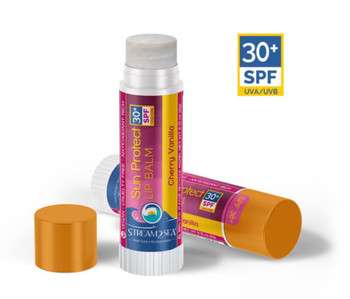
Stream2Sea SPF+ Lip Balm
Stream2Sea
$11.95Protect your lips from sun exposure with reef-safe, vegan lip balm made with ingredients packed full of antioxidants. Comes in packaging that you can feel good about. Features: Vegan and...4443$11.95 -
STAFF FAVORITE


Stream2Sea 2.5oz SPF45 Everyday Sunscreen
Stream2Sea
$42.99Mineral-based, reef-safe sunscreen that protects your skin even while active. Rubs in to skin smoother and more clear than most mineral based sunscreens. Features: SPF45 broad spectrum...4643$42.99 -


Stream2Sea Shampoo & Body Wash
Stream2Sea
$24.99This combination of reef-safe products is perfect for shampooing your hair and cleansing your skin. Blend of antioxidant ingredients including green tea, tulsi, wakame, and olive leaf...4638$24.99 -
On Sale
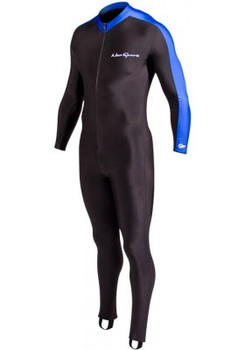
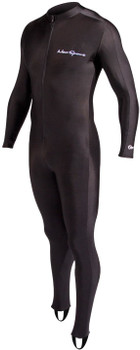
Neosport Unisex Sport Lycra Skin Hotskin
Neosport
$99.49 - $159.99SALE! Size X-Small and Small save $40 (while supplies last) The sport skin is a full body watersport perfect if worn alone for protection from the environment, like coral and jellyfish, as well as...4058$99.49 - $159.99 -


Ocean Armour Hooded Towel
Ocean Armour
$95.00Perfect for between dives to dry off and stay warm. Also large enough to change under when the need arises. These are popular on liveaboard boats during the surface interval when you're doing lots of...5099$95.00 -
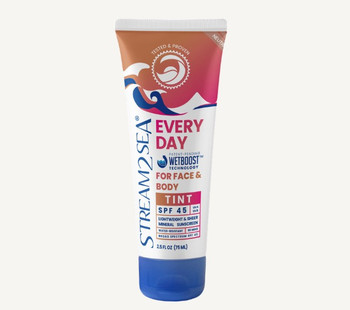

Stream2Sea 2.5oz SPF45 Tinted Everyday Sunscreen
Stream2Sea
$45.99Mineral-based, reef-safe sunscreen that protects your skin and provides a neutral tint to blend to most skin tones. Feels smoother and lighter than most mineral sunscreens. Features: SPF45 broad...4644$45.99 -
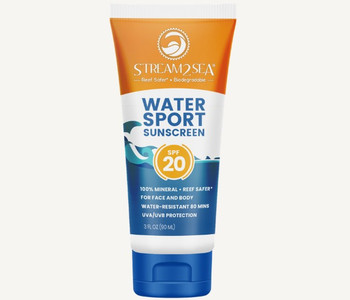

Stream2Sea 3oz SPF20 Oxybenzone-Free Sunscreen
Stream2Sea
$29.99Mineral-based sunscreen is free from Oxybenzone and other ingredients that are being banned for use at many vacation destinations. Protects your body from sun exposure while preserving the ecosystem...3772$29.99 -
UPF 50+
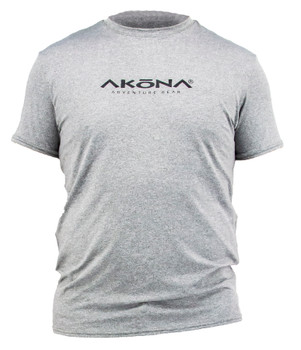

Akona Rashguard Sun Shirt - Short Sleeve - Men's
Akona
$64.99Sun protection is more than just slathering on sunscreen. Protect yourself from sun and UV rays with the Akona rashguard sun shirt with an SPF rating of 50+. Features: Stretchy &...4206$64.99 -


Stream2Sea SPF40 Zinc Balm Sport Sunscreen
Stream2Sea
$37.99Plastic-free sunscreen - comes in a recyclable and reusable tin! Keep the sea plastic free and your skin protected from the sun with the Stream2Sea biodegradable SPF 40 Sport Sunscreen Zinc Balm. 2...5078$37.99 -
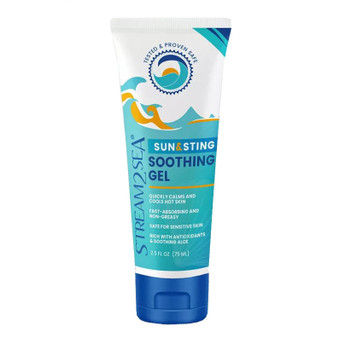
Stream2Sea 2.5oz Sun & Sting Relief Gel
Stream2Sea
$19.99Made with an antioxidant blend of green tea, tulsi, wakame, and olive leaf. Works great to soothe your skin from insect bits, stings, or sun exposure. Travel-friendly 2.5 oz squeeze. bottle...3937$19.99 -
UPF 50+


Rashguard - Teal Turtles - Long Sleeve Ladies
TDO
$99.00For those that love turtles and want to protect their skin from sunburn. Great for wearing under a wetsuit to prevent chafing and for easy donning and doffing. Alternative for sun protection when on...4955$99.00 -


Aropec 2mm Vest - Men's
Aropec
$49.49Front zip vest is perfect for under or over a full wetsuit or skin for extra warmth. Or wear on it's own for when you need just a bit of thermal protection. Sleeveless design allows for maximum...5006$49.49 -


Stream2Sea 2.5oz SPF 30 Coral Care Sunscreen
Stream2Sea
$42.99Protect yourself against UVA and UVB rays while nourishing coral. Coral Care™ is made from a naturally compliant formula that has passed rigorous aquatic safety testing. Added natural nutrients and...5118$42.99 -
Out of stockEASY APPLICATION

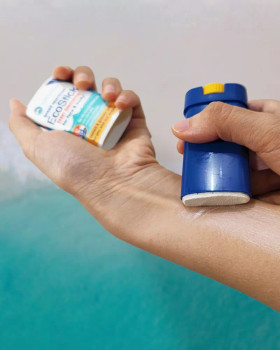
Stream2Sea SPF35 Ecostick Sport Sunscreen
Stream2Sea
$22.99Stream2Sea Ecostick Sport 35+ SPF mineral-based sunscreen for protection while in the sun or enjoying watersports. Because it is safe to use in the ocean or lakes, it is perfect for enjoying the...5080$22.99 -
UPF 50+

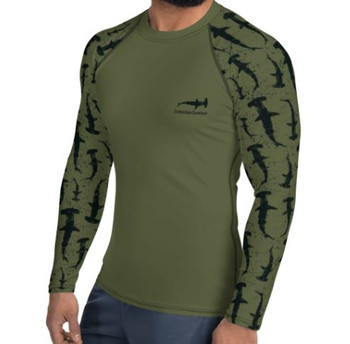
Rashguard - Hammerhead Sleeve - Men's
TDO
$99.00The Hammerhead Sleeve rashguard will protect your skin from sunburn and stings. Great for wearing under a wetsuit to prevent chafing and for easy donning and doffing. Alternative for sun protection...4998$99.00 -
UPF 50+


Rashguard - Blue Camo Shark - Long Sleeve - Men's
TDO
$99.00The Blue Camo Shark rashguard will protect your skin from sunburn and stings. Great for wearing under a wetsuit to prevent chafing and for easy donning and doffing. Alternative for sun protection...5100$99.00 -
UPF 50+


Rashguard - Blue Shark/Ray Sleeve - Long Sleeve - Men's
TDO
$99.00The blue Sharks/Ray Sleeve rashguard will protect your skin from sunburn and stings. Great for wearing under a wetsuit to prevent chafing and for easy donning and doffing. Alternative for sun...5273$99.00 -
On Sale

Stream2Sea Essentials Package
Stream2Sea
$85.89$95.96Be kind to the ocean while being kind to yourself. Truly reef-safe, biodegradable, and good for you too! The ultimate Stream2Sea pack includes some of our top Stream2Sea customer picks. Perfect for...BUND0042$85.89$95.96 -
UPF 50+
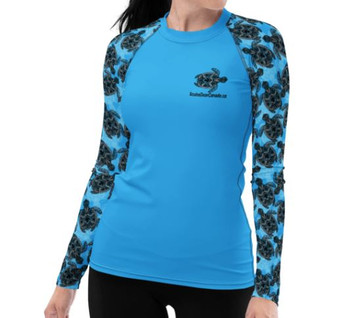
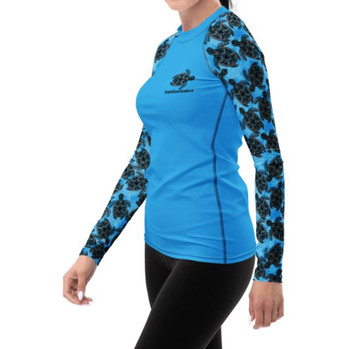
Rashguard - Turtle Sleeve - Ladies
TDO
$99.00The Turtles Sleeve rashguard will protect your skin from sunburn and stings. Great for wearing under a wetsuit to prevent chafing and for easy donning and doffing. Alternative for sun protection when...4999$99.00 -
UPF 50+
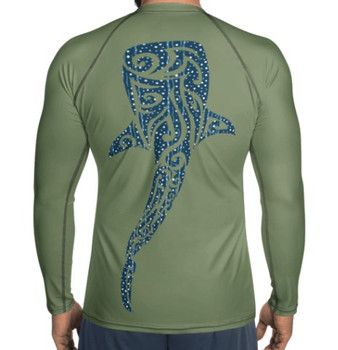

Rashguard - Whale Shark - Long Sleeve - Men's
TDO
$99.00The men's whale shark rashguard will protect your skin from sunburn and stings. Great for wearing under a wetsuit to prevent chafing and for easy donning and doffing. Alternative for sun protection...5274$99.00 -


Neck Gaiter
TDO
$29.99Use a neck gaiter protect your neck, face, head from UV rays and wind while enjoy the sun during snorkeling, scuba diving, kayaking, paddle boarding, and other watersports activities. Features: UPF...5392$29.99 -
On Sale

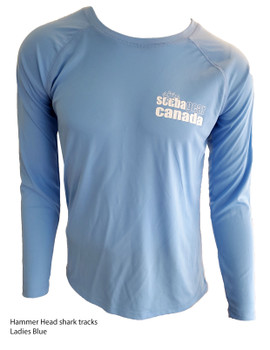
Rashguard - Blue Hammerhead - Long Sleeve Ladies
Prawno
$59.49$99.00SAVE $10 WHEN YOU BUY 2+ PRAWNO BRAND UV SHIRTS & RASHGUARDS! Show off your love for Hammerhead Sharks with the Hammer tracks rashguard and UV shirt. Great for wearing under a wetsuit to prevent...4528$59.49$99.00 -
On Sale

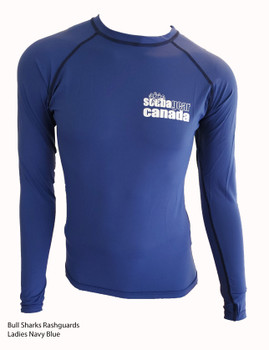
Rashguard - Navy Bull Shark - Long Sleeve Ladies
Prawno
$59.49$99.00SAVE $10 WHEN YOU BUY 2+ PRAWNO BRAND UV SHIRTS & RASHGUARDS! Stay cool and keep the sun off your skin with the Bull Shark rashguard. Great for wearing under a wetsuit to prevent chafing and for...4531$59.49$99.00 -
On Sale
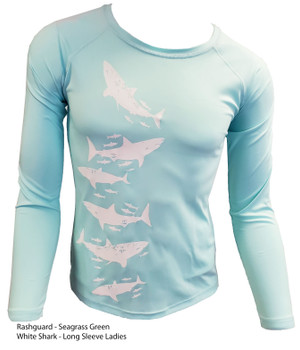

Rashguard - Seagrass Green White Shark - Long Sleeve Ladies
Prawno
$59.49$99.99SAVE $10 WHEN YOU BUY 2+ PRAWNO BRAND UV SHIRTS & RASHGUARDS! Show your support for sharks and protect your skin from sunburn. Great for wearing under a wetsuit to prevent chafing and for easy...4529$59.49$99.99 -
UPF 50+
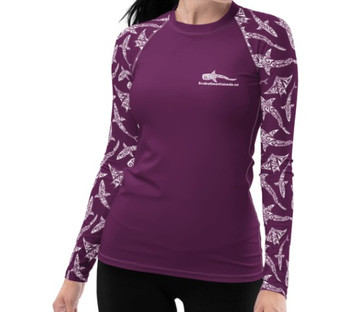

RashGuard - Purple Shark/Ray Sleeve - Long Sleeve - Ladies
TDO
$99.00The purple Sharks/Ray Sleeve rashguard will protect your skin from sunburn and stings. Great for wearing under a wetsuit to prevent chafing and for easy donning and doffing. Alternative for sun...5272$99.00 -

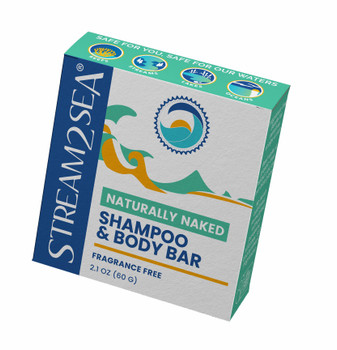
Stream 2 Sea Shampoo Bar
Stream2Sea
$22.99Liquid free shampoo bars are perfect for carry-on travel plus reduces plastic waste. Features: Good for approximately 50 washes Clean, reef-safe ingredients Frangrance-free Ingredients: Sodium...5444$22.99 -


Stream 2 Sea - Body Lotion Unscented
Stream2Sea
$24.99Experience fast-absorbing, eco-friendly hydration with5442$24.99
What to know about sun protection for snorkeling and scuba diving
|
UV shirts — the most effective protection Rashguard fit — size snug, not loose |
Reef-safe sunscreen — mineral only Don't forget the easy-to-miss spots |
Frequently asked questions
What is reef-safe sunscreen and why does it matter?
Reef-safe sunscreen uses mineral active ingredients — zinc oxide or titanium dioxide — instead of chemical UV filters like oxybenzone and octinoxate. Studies have shown that oxybenzone causes coral bleaching and disrupts the development of juvenile marine life even at very low concentrations. Chemical sunscreen washes off your skin in the water and enters the reef ecosystem directly. Several popular dive destinations have banned chemical sunscreens entirely. All sunscreen products we carry are free from oxybenzone and other reef-damaging ingredients — you can protect your skin without harming the environment you came to see.Check out our Stream2Sea selection of products, the #1 recommended reef-safe product line.
What does UPF 50+ mean on a UV shirt?
UPF stands for Ultraviolet Protection Factor — it is the clothing equivalent of SPF in sunscreen. A UPF 50+ rating means the fabric blocks over 98% of UV radiation from passing through to your skin. This is significantly more reliable than sunscreen, which degrades in water, rubs off, and requires reapplication. A UPF 50+ shirt provides consistent protection for as long as you are wearing it, with no reapplication needed. For snorkelers spending one to four hours at the surface, a UV shirt is a far more practical and effective choice than relying on sunscreen alone.
Can I wear a UV shirt under my wetsuit?
Yes — wearing a UV shirt or rashguard under a wetsuit is very common and has two benefits. It reduces chafing from wetsuit seams, particularly around the neck, wrists, and ankles, and it makes the wetsuit easier to put on and take off. A snug-fitting rashguard works better under a wetsuit than a loose one. The thermal benefit is minimal — a thin rashguard adds very little warmth — but the comfort improvement is noticeable, especially on multiple dives per day. Some divers wear their UV shirt for the surface interval and simply pull the wetsuit on over it for the next dive.
Is regular sunscreen safe to use while snorkeling or diving?
Most conventional sunscreens contain oxybenzone, octinoxate, or other chemical UV filters that wash off in the water and have been shown to harm coral reefs and marine ecosystems. If you are snorkeling or diving on a reef, we strongly recommend switching to a mineral-based reef-safe sunscreen. Beyond the environmental issue, chemical sunscreens also wash off faster in salt water and require more frequent reapplication than mineral formulas. For areas covered by a UV shirt, no sunscreen is needed at all — which is the simplest and most reef-friendly approach.