


Snorkeling Made Simple: Essential Do’s and Don’ts for a Safe and Enjoyable Experience
Snorkeling Made Simple: Essential Do’s and Don’ts for a Safe and Enjoyable Experience
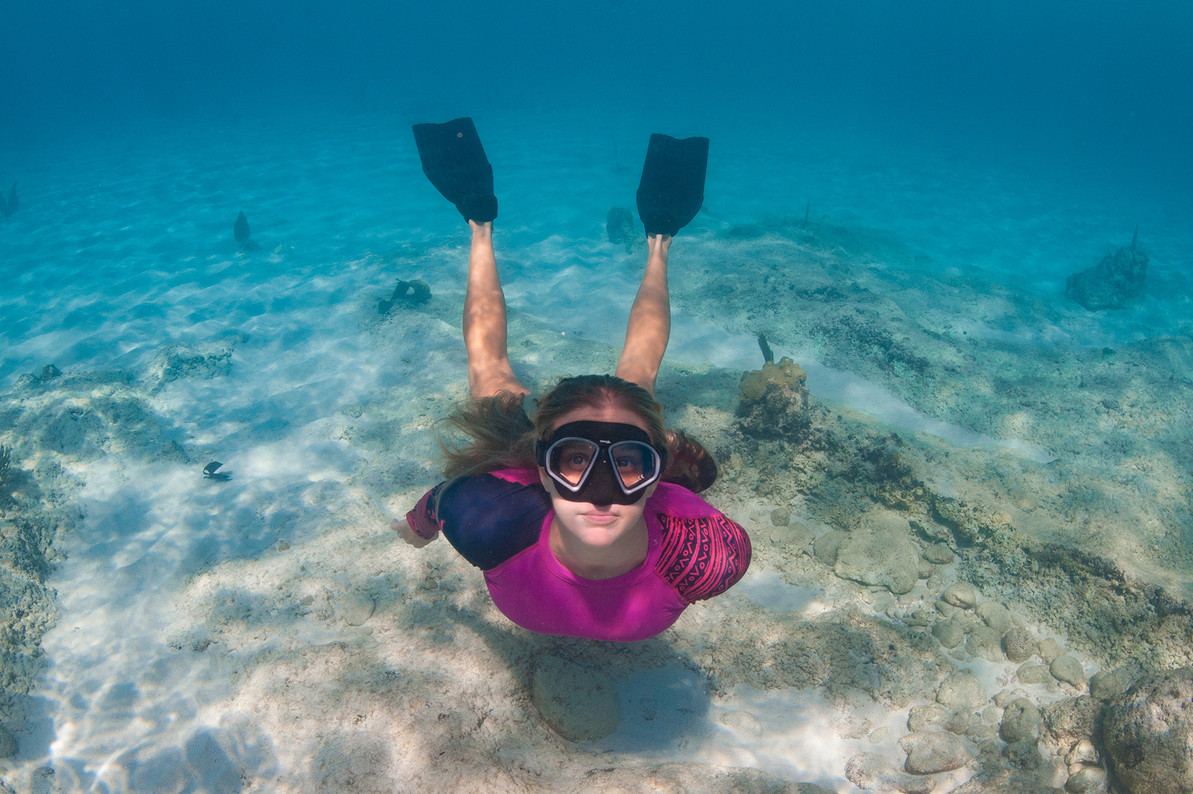
Snorkeling is often seen as one of the easiest ways to explore the underwater world. At first glance, it seems straightforward—put on a mask and snorkel, step into the water, and start swimming. While snorkeling can indeed be simple and relaxing, a safe and enjoyable experience depends on following a few important guidelines. With the right preparation, equipment, and awareness, you can make the most of your time in the water while protecting both yourself and the marine environment.
Below are some key do’s and don’ts to help ensure your snorkeling adventures are comfortable, safe, and memorable.

Do’s
1. Invest in Quality Gear and Practice Before Your Trip
One of the most common frustrations snorkelers face is arriving at their vacation destination only to discover that their gear doesn’t fit properly or that they forgot an important piece of equipment. Taking the time to purchase reliable gear and becoming familiar with it beforehand can save you a lot of stress.
Mask
Choose a mask made with high-grade silicone. Silicone is more maliable to adjust to your face, making the mask both more comfortable and less likely to leak. It’s also important to ensure that the mask lens is made from tempered safety glass. Tempered glass is more durable, resists scratching, and tends to fog less than cheaper alternatives.
Snorkel
Comfort matters when it comes to your snorkel. Look for one with a soft silicone mouthpiece to prevent jaw fatigue during longer swims. The clip that attaches the snorkel to your mask should be secure but easy to remove. A good design allows you to attach or detach the snorkel quickly without worrying about it falling off during use.
Fins
Fins come in a wide range of styles and sizes, much like shoes. Because of this, “one-size-fits-all” options rarely provide the best fit. Try fins on before purchasing them and look for a snug fit that won’t easily slip off but also doesn’t feel tight or restrictive. Some fins are designed to be worn with beach shoes or wetsuit boots while others are designed to be worn with barefoot or socks only. Make sure you get the one appropriate for your needs.
Snorkeling Vest (Flotation Device)
Many snorkeling tours require the use of a snorkeling vest. These flotation devices are also a great option for individuals who are less confident swimmers. Unlike traditional life jackets, snorkeling vests allow you to float comfortably at the surface while lying face down in the water. They can make the experience much more relaxing, especially for beginners. Most snorkel vests are inflatable and can be deflated to make it easier to pack.
Before heading out on your trip, test your equipment at a local pool or lake during warmer months. Practicing beforehand helps you learn how to properly adjust your mask and fins while allowing your leg muscles to adapt to fin kicking. Some Scuba dive shops even offer snorkeling lessons if you want additional guidance from an instructor.
2. Always Snorkel with a Buddy
Snorkeling should never be a solo activity. Even experienced swimmers can encounter unexpected situations such as fatigue, strong currents, or equipment issues. Having a buddy nearby ensures that someone can assist if help is needed.
For more advanced snorkelers who enjoy diving down and holding their breath, it is especially important that someone remains at the surface. This is a critical safety measure in case of a shallow water blackout or other underwater emergency.
Beyond safety, snorkeling with a partner simply makes the experience more enjoyable. Sharing the excitement of spotting colorful fish, coral formations, or other marine life adds to the adventure.
3. Protect Yourself from the Sun
Sunburn is one of the most common injuries among snorkelers. Because much of your body remains at the water’s surface for extended periods, it is easy to underestimate sun exposure.
While sunscreen may seem like the obvious solution, many common sunscreens contain chemicals that can harm coral reefs and marine ecosystems. Instead, the best approach is to physically cover your skin or use a reef safe sunscreen.
Rash guards, also known as sun shirts, typically offer built-in SPF 50 protection and are lightweight enough for warm water environments. They can also help protect against jellyfish stings, scrapes, and minor abrasions.
Wetsuits are a excellent option for cooler water or for longer snorkeling sessions. Wetsuits provide both sun protection and thermal insulation, helping you stay comfortable in the water for longer periods.
Reef Safe sunscreen is available in various options. Don't just pick biodegradable but look for reef safe tested, mineral based and non-nano particle.
Don’ts
1. Don’t Touch Marine Life
One of the most important rules of snorkeling is simple: look, but don’t touch. Coral reefs and many marine species are extremely fragile. Touching them can cause permanent damage to delicate ecosystems.
Additionally, some creatures may defend themselves if disturbed. Even animals that appear harmless can deliver painful stings or bites. If you leave marine life undisturbed, you’ll protect both the environment and yourself.
2. Don’t Swim Using Your Hands
Many beginners instinctively try to swim with their arms while snorkeling. However, this is inefficient and can quickly lead to fatigue. Fins are designed to provide the majority of your propulsion, allowing you to move through the water smoothly with gentle kicks.
Keeping your hands relaxed at your sides also reduces the chance of accidentally hitting your snorkeling partner or damaging coral.
3. Don’t Ignore Your Environment
Before entering the water, always take time to understand your surroundings. Check the weather forecast and be aware of tides and currents, as conditions can change quickly in coastal environments.
It’s also wise to familiarize yourself with local regulations. Some snorkeling locations, particularly those within marine parks or protected areas, may require permits or park passes. Respecting these rules helps preserve the natural beauty that makes snorkeling so special.
Final Thoughts
Snorkeling offers an incredible opportunity to observe marine life and explore underwater environments with minimal equipment and training. By investing in quality gear, snorkeling with a partner, protecting yourself from the sun, and respecting the ocean’s delicate ecosystems, you can enjoy a safe and unforgettable experience.
With just a little preparation and awareness, snorkeling truly can be as simpl and as magical as it first appears.
Recent Posts
-

Snorkeling Made Simple: Essential Do’s and Don’ts for a Safe and Enjoyable Experience
Snorkeling Made Simple: Essential Do’s and Don’ts for a Safe and Enjoyable Experience Snorkeling is …2026 Mar 11th -
7 Key Features to look for in a Scuba or Snorkel Mask
One of the most important pieces of scuba or snorkel equipment is your mask. It is often the best p …2024 Oct 5th -
Sealife Sportdiver Lenses
Sealife Sportdiver housing for smartphones has been a huge hit since it was released only a few y …2024 Jul 5th