



Gloves
Free Shipping across Canada! All orders over $150
Orders Processed and Shipping Fast!
We are Canadian! Orders shipped from our Edmonton warehouse
High Quality Gear - Divemaster & Instructor tested and approved
Buy neoprene diving and snorkeling gloves in Canada — 2.5mm, 3mm, 5mm, and 7mm gloves and mitts for warm-water and cold-water diving, in sizes for men, women, and kids. Cold hands are one of the most common reasons divers end a dive early — hands are highly sensitive to cold and have limited thermal reserves. All gloves are hand-picked and used by our Divemasters and Instructors who dive in Canadian conditions year-round.
-


Accessories Hanger
Saekodive
$36.95Tired of soggy boots and funky-smelling gloves? Meet your gear's new best friend—the Scuba Accessory Hanger! It’s the perfect drying solution for all your scuba diving accessories like boots, hoods, and gloves. Designed to hold your neoprene...1025$36.95 -


Neosport Xspan 5mm Gloves
Neosport
$89.99Soft and stretchy, these gloves are both comfortable and very easy to get on and take off. Fits nicely over your hand, filling in the air pockets and preventing water from entering, but still allowing movement and dexterity. Thick 5mm neoprene provides...2353$89.99 -


Hydra Watersports Glove 2mm
XS Scuba
$54.99Thin tropical dive gloves for scuba diving warm water or local paddling sports like kayaking or paddle-boarding. Made of 2mm stretch neoprene for warmth and protection. Reinforced Amara palm and fingers. Velcro wrist closure. Perfect for paddling sports...4607$54.99 -

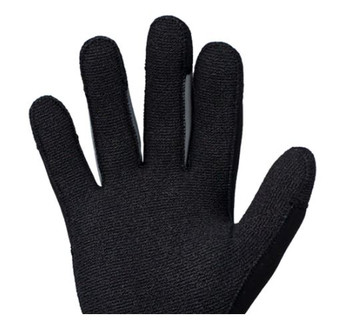
Akona ArmorTex 5mm Glove
Akona
$109.95The newly redesigned Akona ArmorTex gloves are super flexible and will keep you warm while cold-water scuba diving. Glue and blind-stitched seams and pre-bent fingers provide excellent flexibility and dexterity. Palm and finger tips are covered with...4689$109.95 -

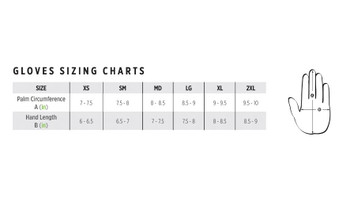
Akona Bahama Quantum Stretch 5mm Glove
Akona
$104.95The Akona Bahama glove is made with super flexible, Quantum Stretch neoprene to create the most comfortable neoprene gloves. Glue and blind-stitched seams and pre-bent fingers provide excellent flexibility and dexterity. AKONA Grip PU...4713$104.95
What to look for in dive gloves
|
Thickness — matched to conditions Five-finger gloves vs. mitts |
Wrist seal — preventing flushing Grip and durability |
Frequently asked questions
Are dive gloves required for scuba diving in Canada?
Not legally required, but practically essential for most Canadian diving conditions. In summer lake diving where surface temperatures reach 18°C to 22°C and you stay above the thermocline, bare hands are manageable for shorter dives. Below the thermocline or in any dive lasting longer than 30 to 40 minutes in water below 15°C, unprotected hands become uncomfortable quickly and then a safety concern — cold hands affect fine motor control needed for equipment management. For spring, fall, and winter Canadian diving, gloves are as necessary as the wetsuit itself. The specific thickness depends on the water temperature you are diving in.
How do I put dive gloves on correctly with a wetsuit?
Ideally, the glove cuff goes on under the wetsuit sleeve rather than over it, if the wrist opening on the wetsuits is large enough. Put the wetsuit on first, then put the glove on and tuck the wrist cuff of the glove up inside the wetsuit sleeve. The wetsuit sleeve sits over the glove cuff, creating a shingle-like seal that prevents water from entering at the wrist during the dive. If the gloves have a zipper or velcro strap to tighten the wrist seal, then they can go over the wetsuit.
My hands still get cold even with thick gloves — what else can I try?
If 5mm gloves are insufficient for your Canadian diving conditions, the next steps are: move to 7mm gloves or mitts; check the wrist seal interface with your wetsuit — a gap there will allow cold water to flush through the glove regardless of thickness; consider adding a thin liner glove inside the neoprene glove to add a layer of insulation; or investigate dry glove systems if you are diving a drysuit, which keep hands completely dry and can accommodate any liner thickness. Poor circulation from medications, cold intolerance, or Raynaud's disease can also make standard neoprene gloves insufficient — if you experience persistent hand cold despite adequate glove thickness, discuss options with your physician.
Do I need gloves for warm water tropical scuba diving?
Not usually as the water is usually warm enough for bare hands. Also keep in mind, some popular diving destinations, like Bonaire, have banned the use of gloves for scuba diving and snorkeling because people are more prone to touch the coral and marine life with gloves. Check the local laws with a dive shop at your vacation destination to see if gloves are allowed to be worn.