


Regulator Bags
Free Shipping across Canada! All orders over $150
Orders Processed and Shipping Fast!
We are Canadian! Orders shipped from our Edmonton warehouse
High Quality Gear - Divemaster & Instructor tested and approved
Buy scuba regulator bags in Canada — padded bags designed to protect your first stage, second stages, hoses, and gauges or dive computer during transport and storage. A regulator is a life-support device and one of the most expensive items in your dive kit — it deserves dedicated protection rather than being loose in a general gear bag where it can be compressed, bent, or impacted. Available from Akona, Scubapro, and ScubaMax in fully padded and lightweight styles.
-
On SaleTOP SELLER

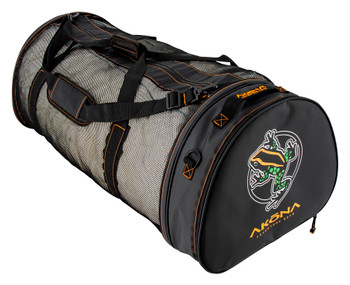
Akona Laguna Deluxe Regulator & Mesh Duffel Bag
Akona
$144.99$167.99The best dive bag you will ever own! Carry it on the plane with your regulators and then unzip to turn it into a mesh duffel to carry everything onto the dive boat. The perfect travel bag and boat bag. Features: Regulator compartment is large enough...1123$144.99$167.99 -
On Sale
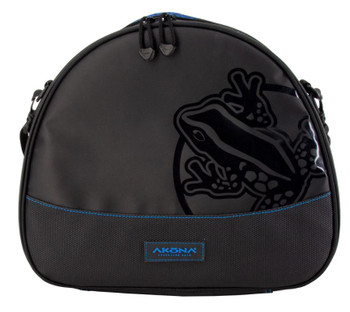
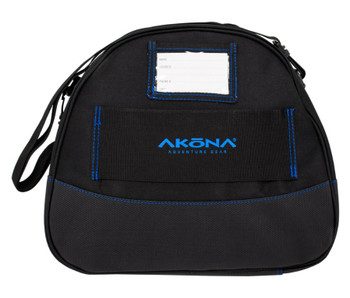
Akona Pro Regulator Bag
Akona
$87.89$97.99Fully padded regulator bag protects your scuba regulators and other small items like a dive computer. Features: Shoulder strap attaches to reinforced d-rings for extra strength and durability Padded holder for gauges or computer Interior velcro...3011$87.89$97.99 -

Scubapro Sport bag 9 Regulator Bag
Scubapro
$42.99The Scubapro Sport Bag 9 is perfect for carrying your scuba regulators and other gear. The bag has less padding compared to other regulator bags making it less bulky and perfect for when you want to keep your regulators separate while packed in your...5028$42.99 -
On Sale

ScubaMax Regulator Bag
Scubamax
$49.89$54.99Protect your scuba regulator set while transporting or in storage with this handy regulator bag. Features: Padded 600 denier nylon with adjustable and removable shoulder strap U-shaped zippered opening for easy access Dimensions: 13″ x...5052$49.89$54.99
What to look for in a regulator bag
|
Padded vs. lightweight regulator bags What should fit in a regulator bag |
The Akona Laguna — regulator bag and mesh duffel in one Storage between dive seasons |
Frequently asked questions
Should I check my regulator bag or carry it on the plane?
Always carry your regulator on the plane rather than checking it. Regulators are expensive precision instruments — baggage handlers stack and drop checked bags in ways that can stress hose fittings, crack gauge housings, and damage second stage components. If a regulator is damaged or lost in checked luggage, replacement parts or a full replacement at a remote dive destination can be difficult or impossible to source quickly. A padded regulator bag fits comfortably in most overhead bins and under-seat spaces. This is one of the few pieces of dive gear advice that is genuinely non-negotiable among experienced traveling divers.
Can a regulator bag also hold a dive computer?
Yes — most quality regulator bags include a dedicated padded pocket or section specifically for a gauge console or wrist dive computer. The Akona Pro Regulator Bag has an interior padded gauge holder and interior velcro dividers that keep the computer separated from the first stage and hoses. If you use a wrist computer rather than a console, it typically fits easily in the side pocket of most regulator bags. Storing the computer in the regulator bag between trips protects the display from scratches and keeps all your primary dive instruments in one organized, padded case.
How do I coil hoses in a regulator bag without damaging them?
Coil hoses in large, gentle loops — never fold them sharply or wrap them tightly around the first stage. The minimum safe bend radius for most regulator hoses is approximately 10 to 15 centimetres. A loop diameter of 20 to 25 centimetres is comfortable for most hose lengths and fits neatly in a standard regulator bag. The backup regulator hose (typically 36 inches) is longer and needs to be coiled in a separate loop rather than wrapped around the primary second stage hose. Hoses that are repeatedly stored in tight bends develop micro-cracks in the outer jacket that eventually lead to failure — usually at the worst possible moment during a dive.