


Repair & Maintenance
Free Shipping across Canada! All orders over $150
Orders Processed and Shipping Fast!
We are Canadian! Orders shipped from our Edmonton warehouse
High Quality Gear - Divemaster & Instructor tested and approved
Buy scuba diving and snorkeling repair and maintenance supplies in Canada — Aquaseal adhesive, wetsuit and drysuit shampoo, silicone grease, o-ring kits, zipper lubricant, gear wash, mask defog, neoprene repair patches, and save-a-dive kits. Keeping your gear clean and properly maintained extends its service life significantly and prevents minor issues from becoming dive-ending or equipment-damaging problems.
-

Scuba Force Sidemount Tank Holder
Scuba Force
$21.95The sidemount "tank holder" attachment can be positioned at the back of the abdominal belt on left and right side of the spine to hook in sidemount tanks or other accessories (SMB, reels, buoys, etc)...4823$21.95 -
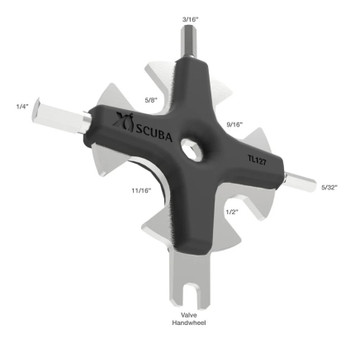
Star Multitool - Stainless Steel
XS Scuba
$79.99Super compact multi-tool. Features: 1/2”, 9/16”, 5/8” & 11/16” wrenches for most common scuba hoses Tank handwheel driver Common 3 hex-key for port plugs5404$79.99 -

Swivel Snap Hook - Plastic - 1 inch (12 pack)
TDO
$19.99Plastic swivel snap for gear repair. Features: Width of opening: 1 inch Use for tie downs, light cargo control, backpack repair5191$19.99 -

Swivel Snap Hook w/ Teeth - Plastic - 1 inch (12 pack)
TDO
$19.99Plastic swivel snap for gear repair. Features: Width of opening: 1 inch Use for tie downs, light cargo control, backpack repair Teeth in opening helps to lock down when used with a slide-lock5192$19.99 -

Tri-Glide Slide - Plastic - 1 inch (12 pack)
XS Scuba
$6.00Hard, durable plastic tri-glide slide measures 1.0 inches wide. Great for webbing or strapping, such as scuba weight belts and harnesses, BCD straps, bags, luggage, backpacks.5187$6.00
What to know about gear care and maintenance
|
Rinse after every dive — the single most important habit Wetsuit and neoprene care |
O-rings and silicone grease Mask defog — apply before every dive |
Frequently asked questions
How do I repair a tear in my wetsuit?
Clean and dry the area around the tear completely — Aquaseal will not bond to wet or contaminated neoprene. Apply Aquaseal FD to both surfaces of the tear and press together, or apply it as a coating over a small hole. Allow it to cure for at least 8 to 12 hours before use — longer in cold conditions. For a tear on a seam, apply from both the inside and outside of the suit for a more durable repair. Aquaseal creates a flexible urethane bond that moves with the neoprene and is water resistant once cured. For large tears or damage to the seams of a drysuit, professional repair by a qualified technician is recommended.
How often should I clean my wetsuit and what should I use?
Rinse your wetsuit with fresh water after every dive. Use wetsuit shampoo for a deeper clean at the end of a dive trip or at the start and end of each season. Wetsuit shampoo removes salt residue, chlorine buildup, and the bacteria that cause odor — regular dish soap is acceptable in a pinch but can dry out the neoprene over time. Wash the suit inside-out as well as outside. Air dry completely before storing, inside-out first, then right-side out. Never machine wash a wetsuit on a hot cycle, tumble dry, or leave it compressed in a bag — all three accelerate neoprene degradation.
What is Aquaseal and what can it be used for?
Aquaseal FD is a flexible urethane adhesive and sealant used to repair tears, holes, delamination, and seam separation in wetsuits, drysuits, dry bags, booties, gloves, hoods, and other watersports gear. It bonds to neoprene, rubber, fabric, and most synthetic materials. Once cured, it is waterproof, flexible, and resistant to salt water, UV, and most chemicals. It is the industry standard for wetsuit and drysuit field repair — every serious diver's maintenance kit should include a tube. For camera housing o-ring grooves, drysuit seal edges, and boot soles, a small dab of Aquaseal applied before wear prevents the most common failure points.